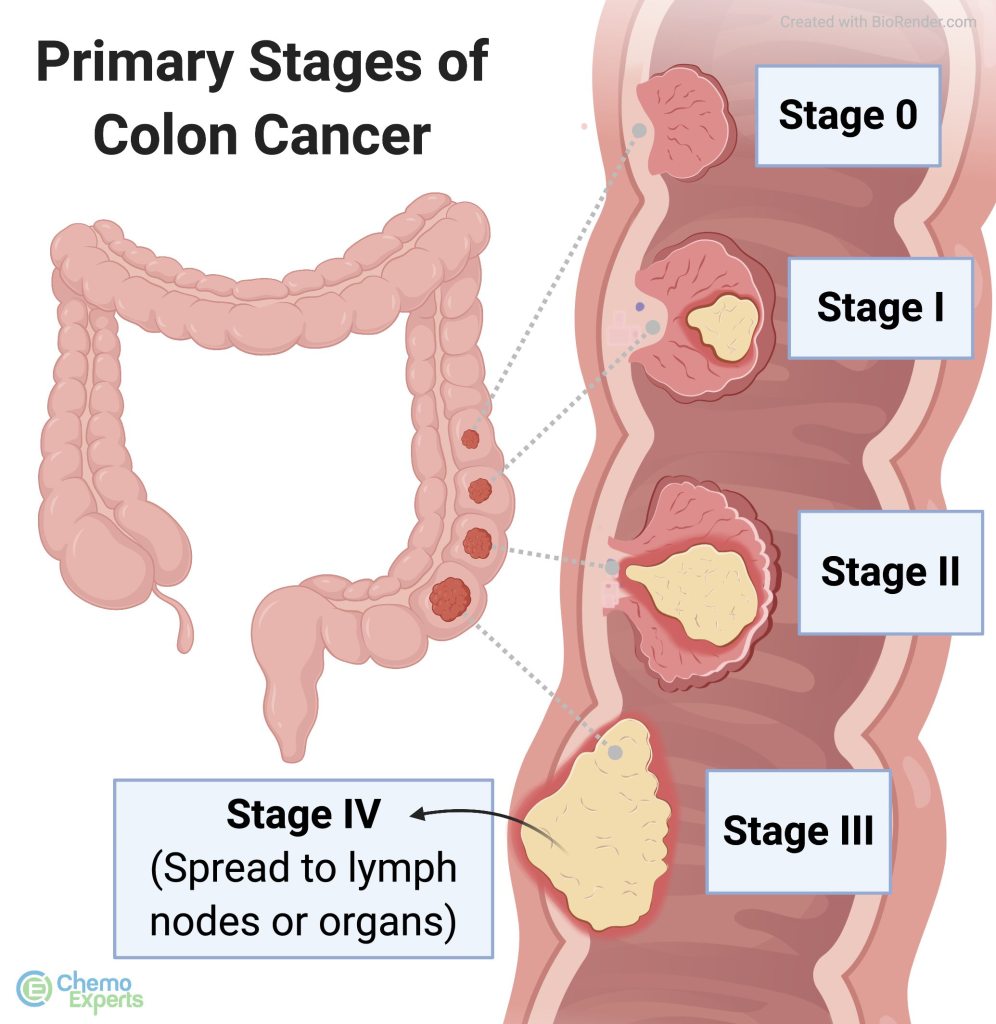
Colon cancer is always treated either through local or systemic treatment. However, the treatment method depends on the cancer stage, physical health, or personal choice. Local treatment often targets surgery, while systemic treatment targets biological therapies. Many colon cancer treatments are always treated through surgery. The type of surgery depends on where cancer has invaded and how far the disease has spread.
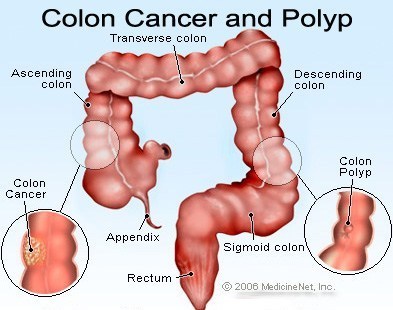
Most early colon cancers are always treated through polypectomy. Through polypectomy, polyps are permanently removed by being cut at the reed with a wire loop instrument. The machine, colonoscope, contains a camera and a light to perform its functions.
Colectomy is another surgery that majorly focuses on removing some portions of the intestine that have been affected. A colorectal surgeon always operates this surgical operation. Colectomy is typically performed through laparoscopy or open method. The method used depends on cancer location in the colon and the size of cancer. During a colectomy, the affected part is removed, and a healthy colon attached to it to ensure the patient’s body functioning returns to normal.
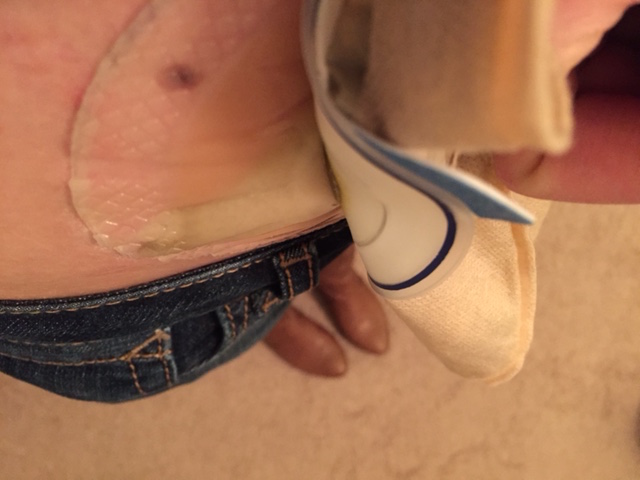
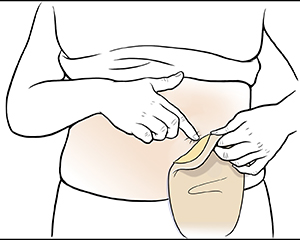
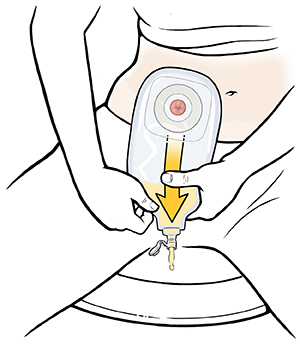
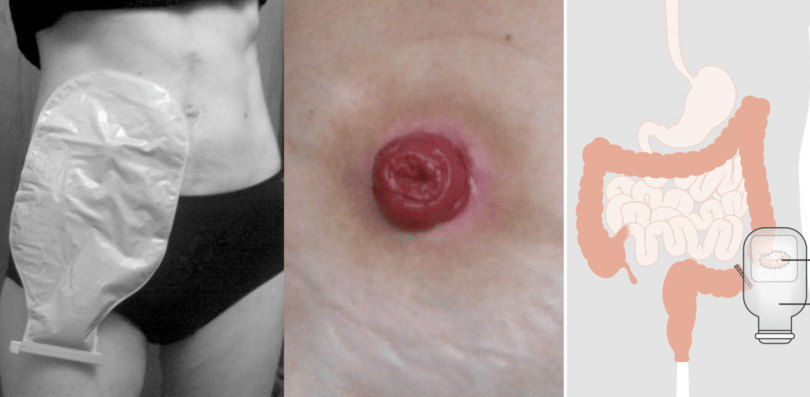
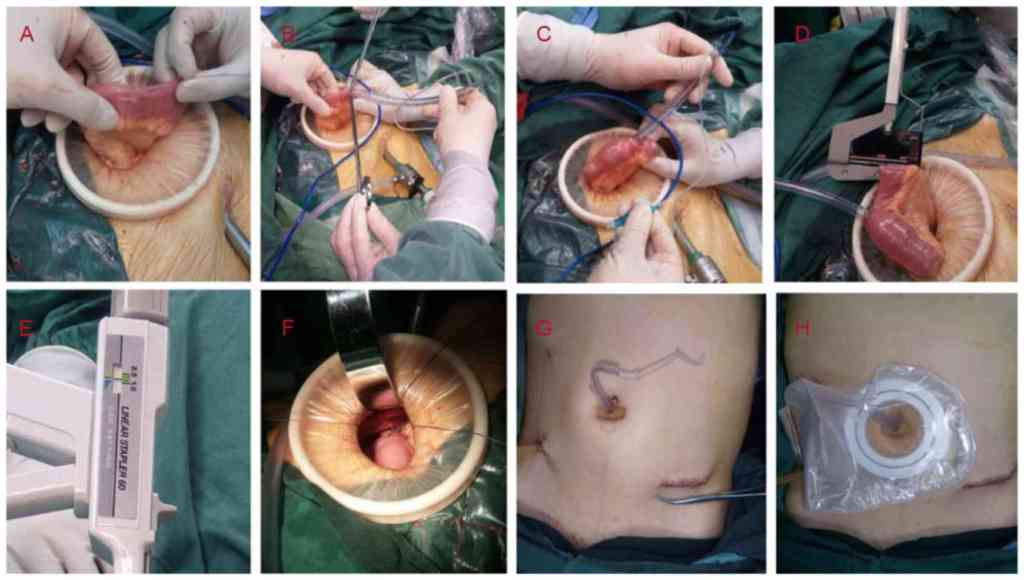
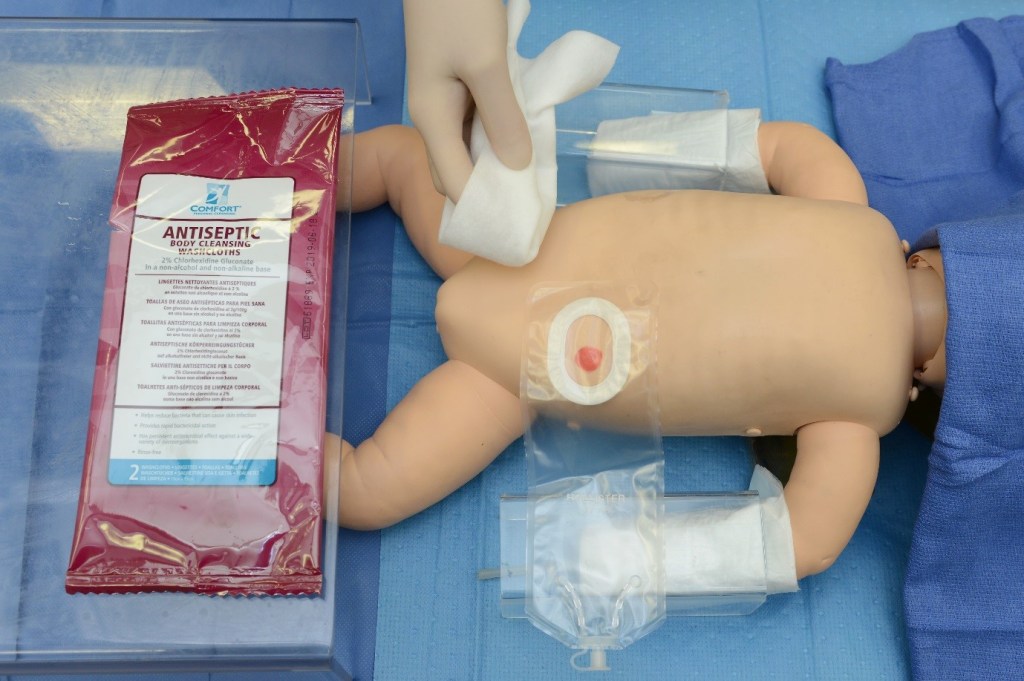
Colostomy surgery is an open surgical procedure in which part of the colon is inserted into the abdominal wall through an opening. Amazingly stoma, the part of the colon that is constantly exposed, is insensitive to pain. The external bag that collects the waste is always worn in the abdomen. Eventually, in the second stage, the healthy ends of the colon are reconnected, and the stoma is closed up.
It is always better for patients to understand that surgical procedures contain both risks and benefits; hence one should know before proceeding with the treatment decision. Some of these surgery risks include; bleeding, infection, scarring, adhesions, incision dehiscence, leaking anastomosis, and blood clots in the legs.
Local therapy is another technique for colon cancer treatment. The radiation therapy uses X-rays which kill cancer cells. This procedure is mainly used by an oncologist who prepares the radiations to attack and kill cancer cells to treat cancer. The radiation procedures are always painless, with little or no side effects at all.
Another cancer treatment option is a systemic therapy that affects the entire body instead of targeting the specific place where the infection has occurred. The patient often takes chemotherapy drugs. The drugs travel throughout the body, killing cells that are dividing rapidly. The disadvantage of chemotherapy is that it does not differentiate cancerous cells from healthy ones, which makes the patient be replaced after the treatment. The procedure is only applied to patients, who have late-stage colon cancer. Chemotherapy is mainly in two ways where intravenous drugs get injected in the vein or oral through the mouth. Chemotherapy is always a tedious process, as the doctor has to analyze the stage and grade of the cancer infection. He also finds suitable chemotherapy drugs to be used depending on the treatment goals and intervals through which drugs will be consumed.
Other cancer treatment methods include targeted therapy which contains antibodies that attack the protein growth factors that cover cancerous cells hence reducing the cancer effect. Immunotherapy is another cancer treatment option where a person uses their immune system to attack cancer cells with the help of immunotherapy drugs such as Opdivo.In conclusion, colon cancer has many ways in which it can be treated.
.












 Stoma Health Blog