Known in the medical field as an emergency procedure, Ileostomies can help to remove or bypass diseased or injured colons. It is known as a major procedure performed in order to heal the large intestine or colon. Ileostomies are considered lifesaving procedures and are only done as a last resort. You can find out more about this surgery below.
What Is an Ileostomy Procedure?
An ileostomy, also known as a loop ileostomy, is an ostomy that’s created in order to remove part of your large intestine (colon) or rectum. If you have Crohn’s disease or ulcerative colitis, you may need to have your large intestine removed through surgery in order to prevent future flare-ups. The piece of colon remaining after surgery will be attached to your skin with staples on either side so you can continue digesting food while recovering from surgery. You’ll still be able to use your bathroom normally because your stoma, where feces are released from, will be inside of your body rather than on its surface like in some other forms of ostomies like colostomies. Only certain medications should be taken with an ileostomy; talk to your doctor about specific interactions if you’re unsure about taking any meds. Creating an ileostomy takes place during what’s called a resection. A resection is essentially removing all or part of something due to disease. In most cases, removing your colon and attaching it to make a bag — hence ostomy — for stool allows doctors to fix health problems related to Crohn’s and colitis without removing healthy organs like parts of intestines or spleens like they do when fixing cancers near those areas.
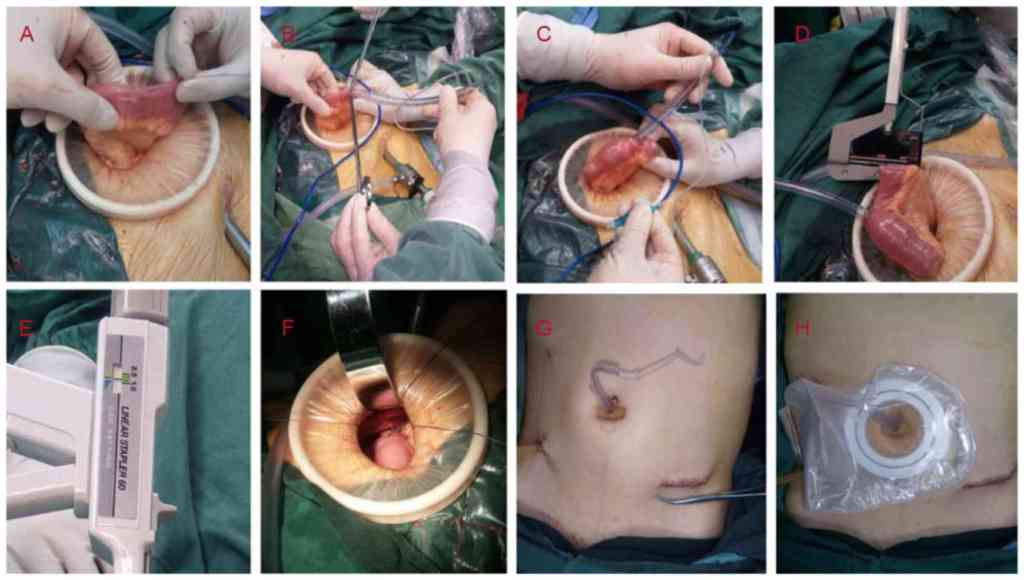
How Long Does the Procedure Take?
An ileostomy operation takes approximately one hour from start to finish. In that time, a surgeon will remove a section of your large intestine as well as any diseased sections. Once those sections are removed, one end of your colon is attached to a stoma bag, which serves as a portal for waste material to exit your body. The first part of your small intestine will then be attached to your anus. From there, you’ll pass waste through a tube into your newly created pouch. You can go home after 24 hours or so but must return every few days to have the size of your stoma increased to accommodate more waste. In total, you’ll probably spend around two weeks in-hospital following surgery—but all told, recovering from an ileostomy typically lasts about six weeks or so if you follow doctor’s orders closely.

Living with an Ileostomy.
If you’re living with a ileostomy, you should be prepared to make some adjustments to your lifestyle. It may seem like you’ll never feel normal again, but remember that every person will react differently to their stoma placement. Ask your doctor if there are ways to make daily tasks like bathing easier. Take it slow when returning to work, especially if you have a desk job—making small trips between meetings might help ease back into sitting all day long. Try not to worry about things that aren’t in your control; stress only makes conditions worse. The more prepared you are for an ileostomy placement, the smoother things will go once everything settles down. Most importantly, take care of yourself during recovery.

 Stoma Health Blog